
Quick answers
- Best overall window
- November to March for a mix of heritage, outdoor visits and evenings out.
- Cooler-weather choice
- Start with December to February if comfortable daytime exploring is the priority.
- Summer approach
- Choose indoor experiences and direct transport; evenings can still be hot.
- Events and holidays
- Use the announced dates and venue details for your travel year.
Choose November to March for a flexible city break
November to March is our preferred window for a trip that combines heritage visits, outdoor time and evenings out. December to February is the strongest starting point if cooler daytime weather matters most. November and March offer a warmer alternative, with enough flexibility to combine indoor and outdoor plans.
October and April need more attention to the forecast and the time of day. From May to September, build the trip around indoor visits and comfortable transport. A summer visit can still suit museums and dining, but it calls for a different pace from a winter walking trip.
Riyadh month by month
The temperatures below are historical average daily highs and lows from the World Meteorological Organization’s Riyadh climate table, using 1982–2011 data. They describe the seasonal pattern, not today’s climate baseline or a forecast for your dates. Check the National Center for Meteorology’s Riyadh forecast before finalising outdoor plans.
| Month | High / low °C | How to plan |
|---|---|---|
| January | 20.1 / 6.9 | A strong choice for heritage visits; bring a warm evening layer. |
| February | 23.3 / 9.3 | A good all-round choice; check separate Founding Day plans if relevant. |
| March | 27.7 / 13.2 | Mix outdoor visits with an indoor option for changing weather. |
| April | 33.3 / 18.4 | Put indoor time in the middle of the day; check rain forecasts. |
| May | 39.4 / 23.4 | Make museums and indoor dining the main plan. |
| June | 42.6 / 25.3 | Prioritise indoor venues and direct transport between stops. |
| July | 43.7 / 26.4 | Plan for intense daytime heat; keep outside transfers short. |
| August | 43.7 / 26.3 | Follow the same indoor-first approach as July. |
| September | 40.6 / 22.9 | Still hot; National Day does not mark the start of cool weather. |
| October | 35.5 / 18.2 | Use the forecast to judge outdoor time; keep a midday indoor option. |
| November | 28.1 / 13.3 | A useful month for combining heritage, outdoor time and dinner. |
| December | 22.1 / 8.4 | A strong choice for exploring; pack for colder evenings. |
Winter: give heritage and outdoor visits more time
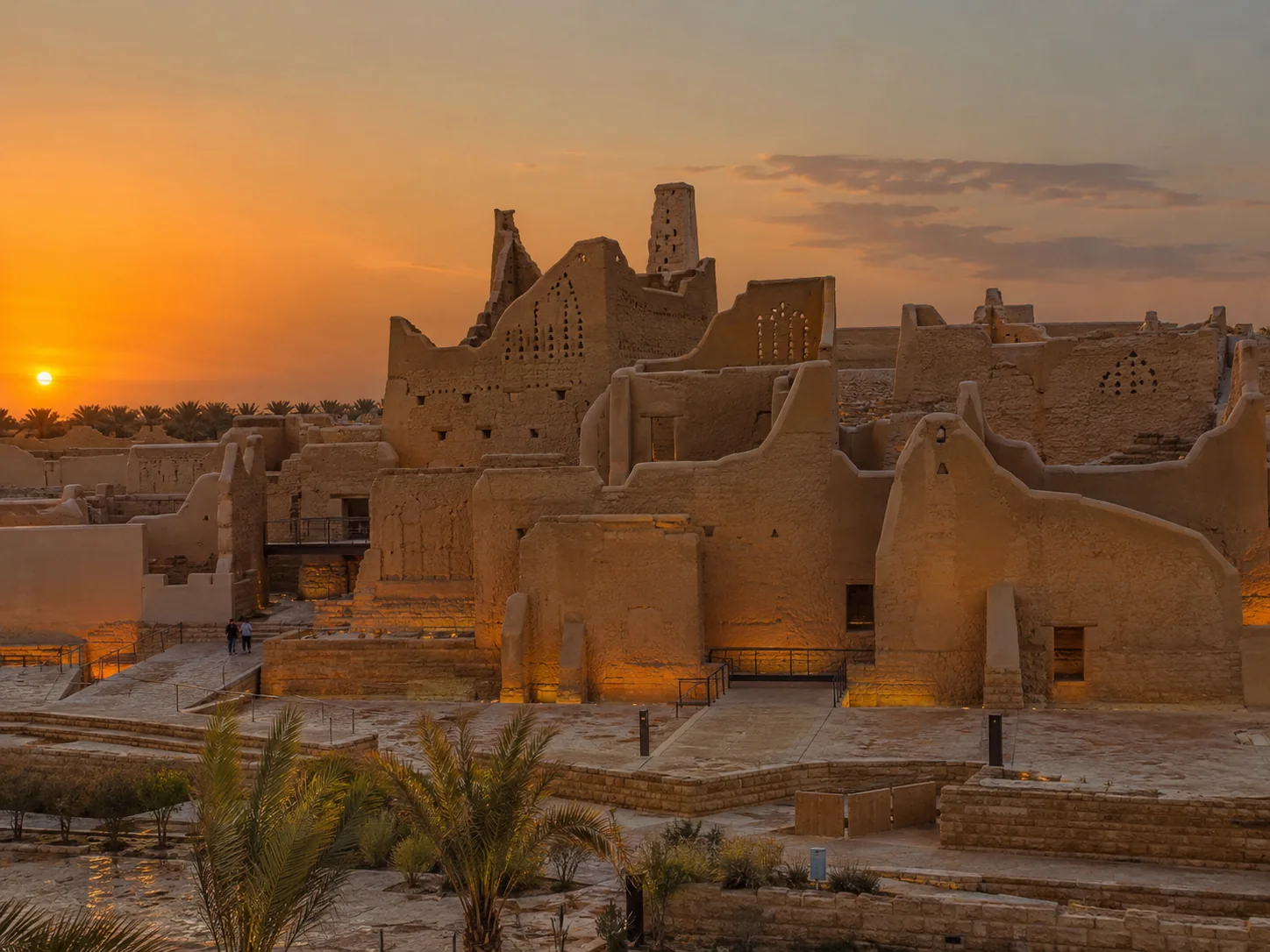
Choose At-Turaif for a substantial heritage visit, then leave space before dinner. Use the heritage guide to compare it with Murabba Palace. For a shorter outdoor break, plan a manageable route using the Wadi Hanifah guide and the conditions on the day.
Pack a warm layer even when the daytime forecast looks mild. Do not fill every hour simply because you are travelling in winter: allow time for entry, transport, a meal and a rest. A flexible schedule is more useful than a long list of stops.
Summer: give the day a different shape
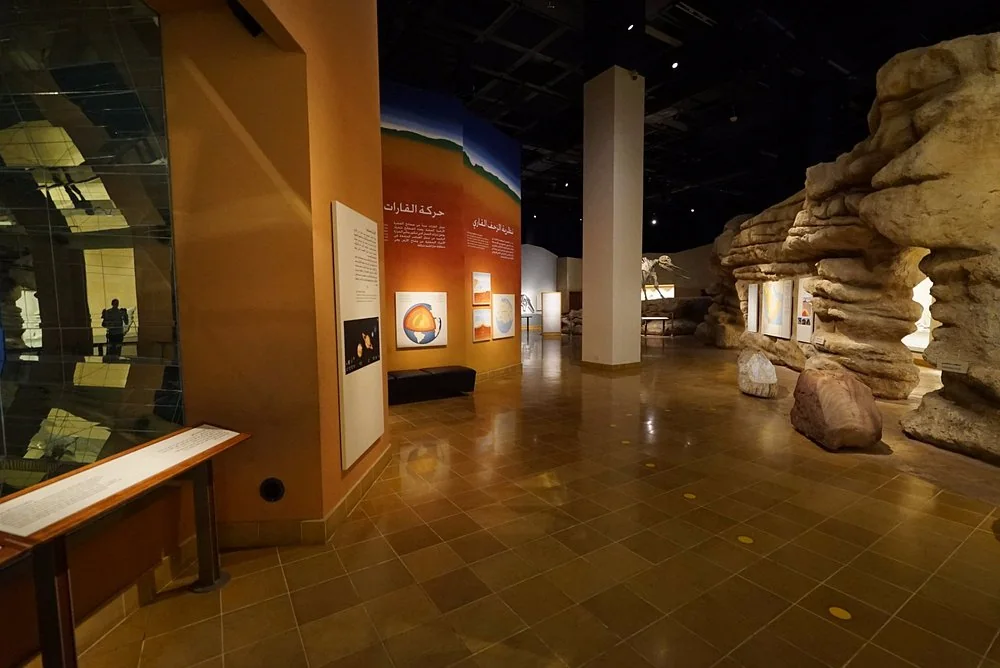
Start with a substantial indoor visit such as the National Museum, checking its opening day before setting the route. Use the indoor guide to compare other options, and choose a hotel that keeps transfers manageable.
Leave dinner and any outdoor time flexible. Evenings can remain hot; sunset is not a guarantee of comfortable walking weather. Our Riyadh at night guide helps with dining and evening plans. Keep one or two main experiences rather than trying to reproduce a full winter itinerary.
Rain and dust: keep an indoor alternative
Riyadh’s climate table records rain in several months, with April having the highest monthly average in that historical series. A dry-looking itinerary still needs a weather check. Use the NCM Riyadh forecast and official weather alerts for your dates, especially before a valley walk or an outing beyond the city.
If conditions make the outdoor plan unsuitable, swap it for a museum visit or a relaxed meal. Choose skyline viewing for a clear outlook rather than treating the calendar month as a promise of visibility.
Events, Ramadan and holidays: check the actual dates
For a concert or festival trip, let the confirmed event set the dates. Check the official Riyadh Season programme for the edition, venue and ticket you want. A previous winter’s calendar does not establish this year’s opening dates or available attractions.
Founding Day falls on 22 February and Saudi National Day on 23 September. Check the programme for the year you are visiting before making celebration-specific plans. Neither date guarantees a particular show, public event or venue timetable.
Ramadan and the Eid holidays move through the Gregorian calendar. Confirm the announced dates for your travel year and ask your hotel and chosen venues about meal service, reservations and visiting hours. Build around their actual arrangements instead of assuming a normal timetable or relying on projected dates.
Choose dates around your priorities
First visit: start with December, January or February for the greatest emphasis on cooler-weather sightseeing.
Heritage and outdoor time: consider November through March, keeping individual days flexible around weather and access.
Museums and dining: a warmer-month visit can work when transport, hotel location and indoor breaks are well planned.
A particular event: confirm the ticket and venue first, then compare flights and rooms for those dates. There is no reliable city-wide “cheapest month” without checking your actual stay.
Turn the month into a practical itinerary
Choose your base with Where to Stay in Riyadh, then adapt a one- or two-day route to the weather. For children, use the family guide to keep the pace manageable. The planning hub brings together transport, food and other essentials.
Continue exploring
Frequently asked questions
What is the best month to visit Riyadh?
For cooler daytime sightseeing, start with December, January or February. November and March are warmer alternatives for a varied city break; check the forecast for your dates.
Is Riyadh worth visiting in summer?
Yes for a trip focused on indoor experiences and dining, with direct transport and plenty of breaks. It is less suited to a full day of outdoor sightseeing.
Does it rain in Riyadh?
Yes. Historical climate data records rain in several months. Check the forecast and official alerts rather than assuming dry weather.
Do I need a jacket in winter?
Bring a warm layer for evenings. Daytime sunshine does not mean the temperature will stay comfortable after dark.
Can I choose dates around Riyadh Season?
Yes, once the event you want has confirmed dates, a venue and ticketing details. Check the applicable edition rather than reusing last season’s timetable.